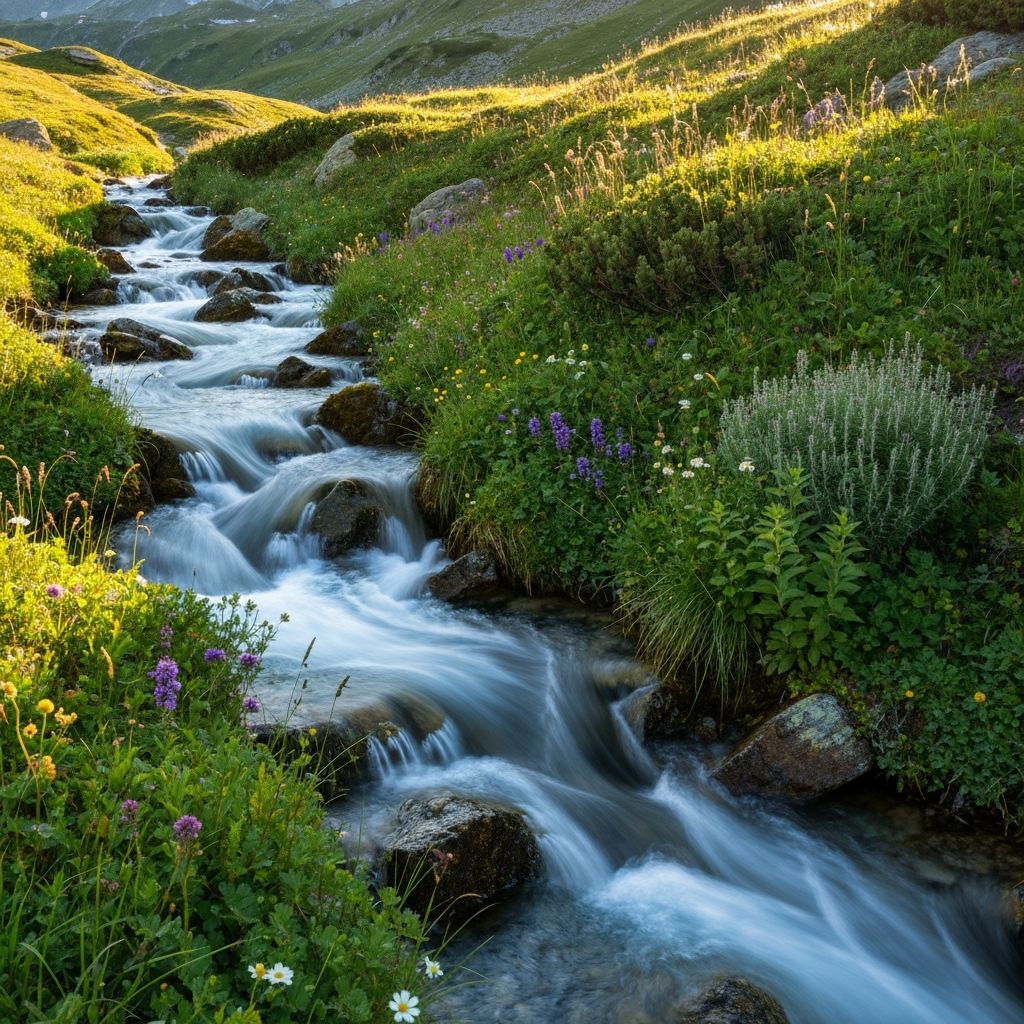
Flow of Vitality After 40
Natural wellness dynamics evolve throughout life. After 40, men's metabolism follows distinct patterns influenced by nutritional intake, activity levels, and seasonal variations. This section explores the general principles of how the body maintains dynamic equilibrium through natural plant-based nutritional components, environmental factors, and lifestyle rhythm. Understanding these foundational concepts provides context for Alpine botanical traditions and their place in everyday wellness approaches.
Individual responses to dietary components vary significantly based on genetics, lifestyle, and existing health conditions. This educational content presents general information rather than personalized guidance.
Active Botanical Elements
Informational cards on plants linked to dynamic Alpine environments
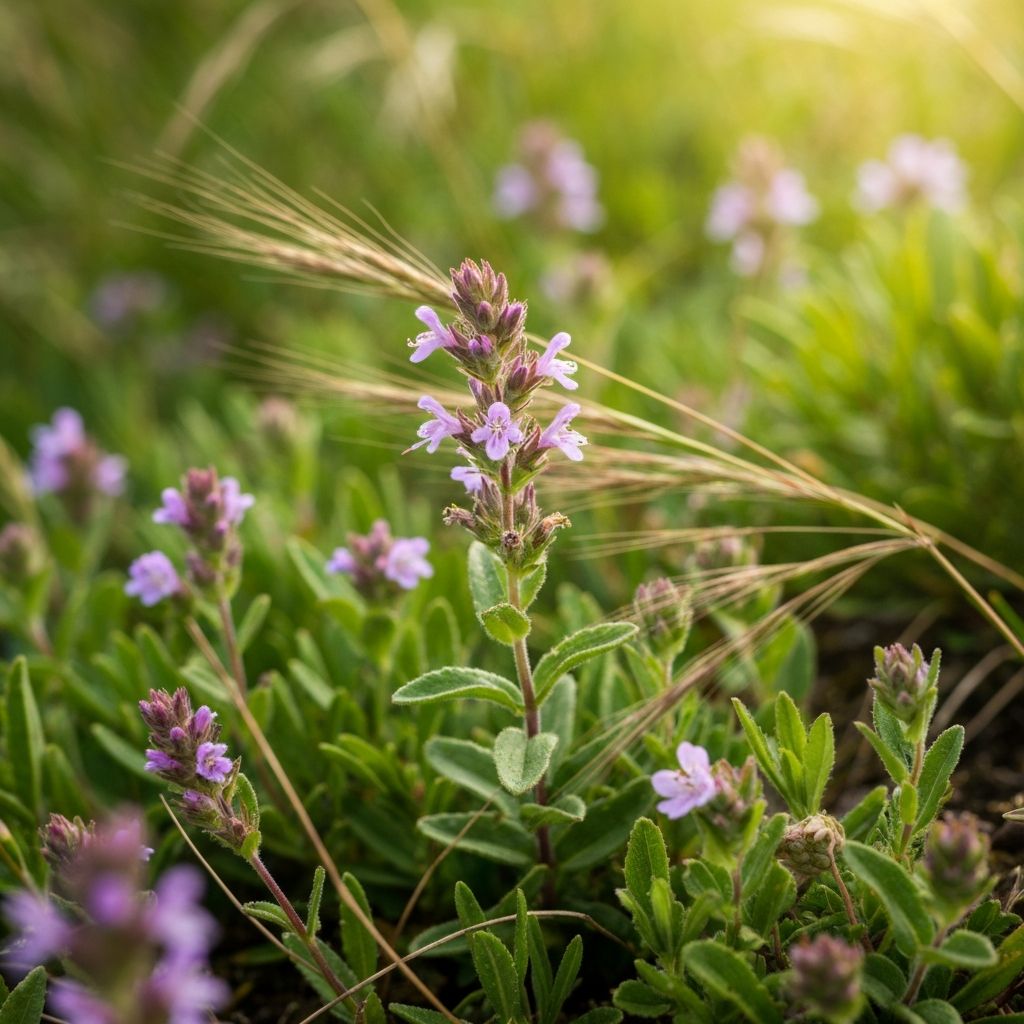
Alpine Herbs Complexity
Swiss highland plants contain diverse phytocompounds studied for their natural properties. These botanical elements have been part of traditional wellness approaches for centuries.
Natural Nutrient Flow
Mountain ecosystems create unique conditions for plant growth. These environments naturally concentrate specific micronutrients and active compounds valued in botanical education.
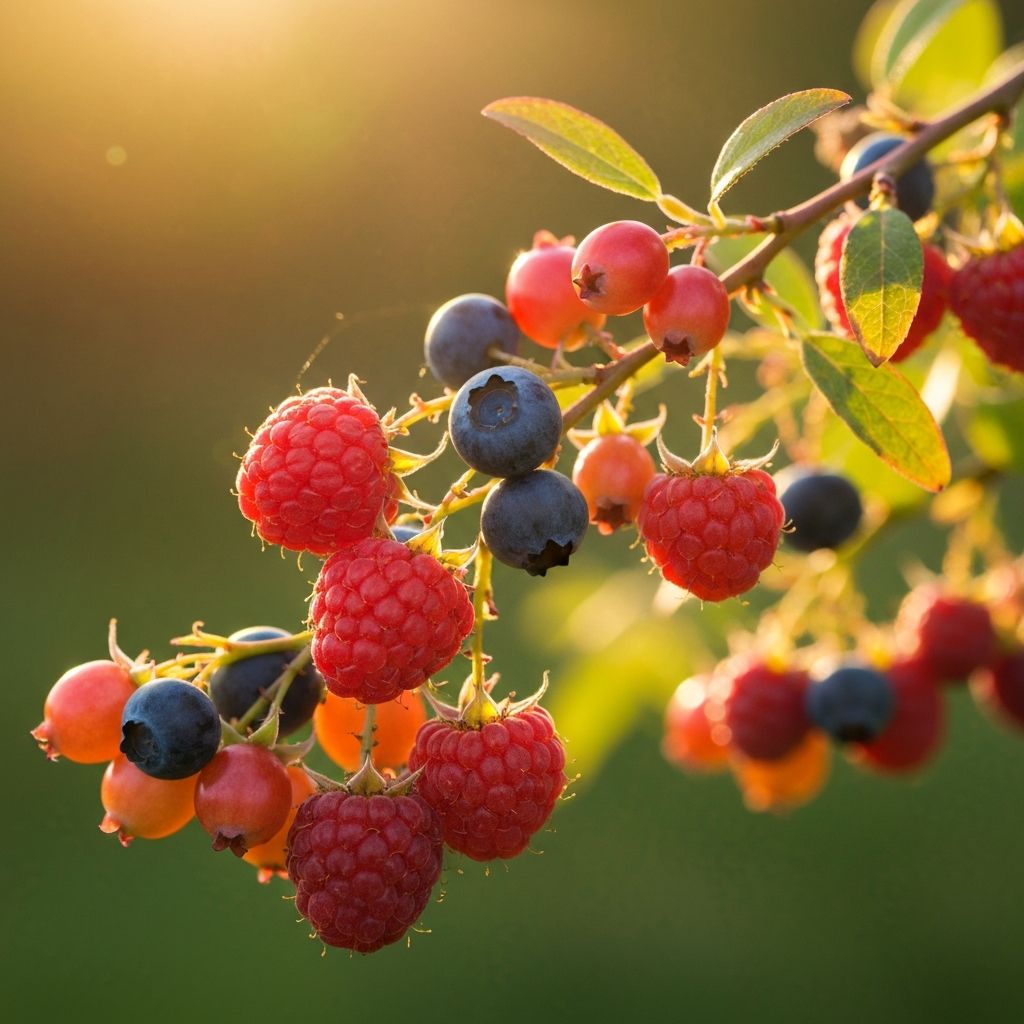
Dynamic Plant Compounds
Botanical sources provide micronutrients and phytoactive compounds. Understanding their general properties helps contextualize Alpine traditions within broader nutritional knowledge.
Dynamic Nutrient Sources
| Botanical Source | Primary Compound Class | General Context |
|---|---|---|
| Alpine Ginseng | Polysaccharides & Glycosides | Traditionally linked to vitality in mountain cultures |
| Swiss Pine Extract | Terpenes & Phenolics | Alpine resin compounds studied for wellness properties |
| Mountain Nettle | Minerals & Alkaloids | Historic use in Alpine nutrition traditions |
| Gentian Root | Iridoids & Glycosides | Swiss botanical heritage with documented activity |
| Alpine Berry Complex | Anthocyanins & Flavonols | Natural antioxidant compounds from high-altitude growth |
This table presents general botanical information for educational context only, not as medical or therapeutic guidance.
Alpine Flow Traditions
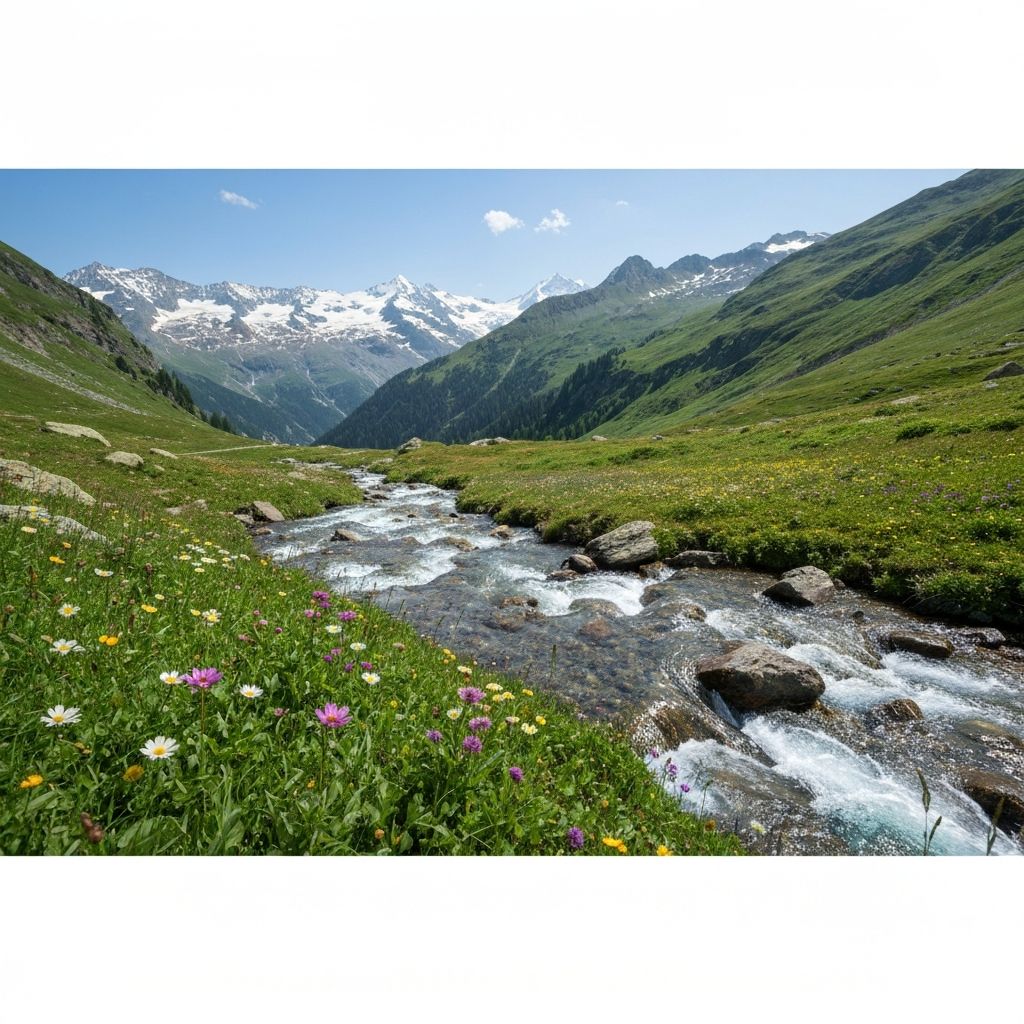
Historical Context
Swiss mountain communities developed sophisticated approaches to botanical wellness spanning centuries. Alpine herbs feature prominently in regional health traditions, documented in historical texts and cultural practices.
These traditions emphasize harmony with seasonal rhythms, environmental adaptation, and the integration of botanical knowledge with daily living. Modern scientific research increasingly validates traditional approaches through phytochemical and nutritional analysis.
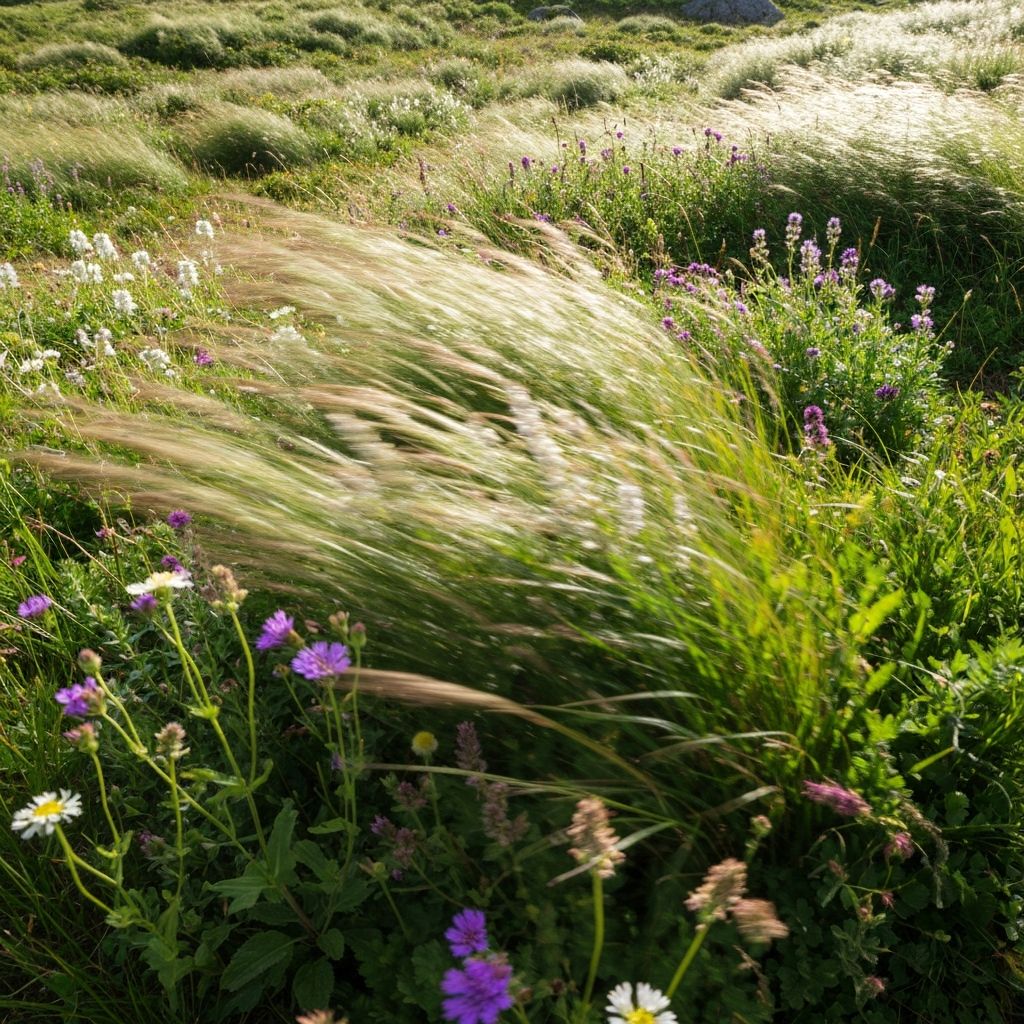
Cultural Integration
Botanical knowledge was traditionally passed through generations, with specific plants assigned roles in seasonal wellness routines. This holistic approach viewed natural compounds not as isolated interventions but as integrated elements of lifestyle harmony.
Understanding these cultural contexts enriches appreciation for Alpine botanical traditions and their relevance to contemporary wellness conversations.
Daily Rhythm & Motion
Natural wellness dynamics align with daily and seasonal cycles. Environmental factors—light exposure, temperature variation, activity patterns—influence metabolic function and nutritional requirements throughout the day.
Alpine regions experience pronounced seasonal transitions affecting plant growth cycles, human activity patterns, and nutritional intake. Understanding these rhythmic patterns provides context for traditional Alpine approaches to wellness timing and botanical integration.
Active Factors in Natural Rhythm
- Morning light exposure and metabolic initiation
- Midday activity peaks and nutritional demand
- Evening wind patterns and relaxation phases
- Seasonal shifts in plant availability and composition
- Temperature variations affecting physiological function
Individual adaptability to these rhythms varies based on personal lifestyle, geography, and constitutional factors. This section presents general information supporting contextual wellness understanding.
Study Flow Summaries
Neutral highlights from dynamic nutrition research
Phytocompound Diversity
Scientific literature demonstrates that Alpine plants concentrate specific micronutrients and phytoactive compounds. Research continues on mechanisms linking botanical composition to physiological responses in human systems.
Age-Related Nutritional Dynamics
Nutritional science shows that men over 40 experience metabolic changes affecting micronutrient absorption and utilization. Plant-based sources provide bioavailable alternatives to synthetic supplementation in daily nutrition.
Traditional-Scientific Integration
Historical botanical practices are increasingly validated through modern phytochemical analysis. Research supports exploration of traditional Alpine approaches through contemporary nutritional science frameworks.
Clarifying Active Myths
Common assumptions about botanical wellness often lack scientific foundation. This section addresses frequent misconceptions through factual, evidence-based perspective.
Myth: Immediate Results
Reality: Natural plant compounds work through gradual physiological integration. Nutritional changes require consistent implementation and individual response varies significantly over weeks or months. No botanical source produces instant effects.
Myth: Universal Application
Reality: Individual factors—genetics, health status, lifestyle, medications—create vast variation in botanical response. What benefits one person may have minimal effect on another. Personalized assessment remains essential for any nutritional approach.
Myth: Medical Replacement
Reality: Botanical nutrition complements but never replaces medical care. Individuals with health conditions, on medications, or requiring professional assessment must consult qualified healthcare providers regardless of interest in botanical approaches.
Myth: Complete Efficacy Data
Reality: While some botanical compounds have robust research support, many Alpine herbs lack extensive human trials. Available science represents current knowledge, not conclusive proof of all claimed properties.
Botanical Energy Pathways
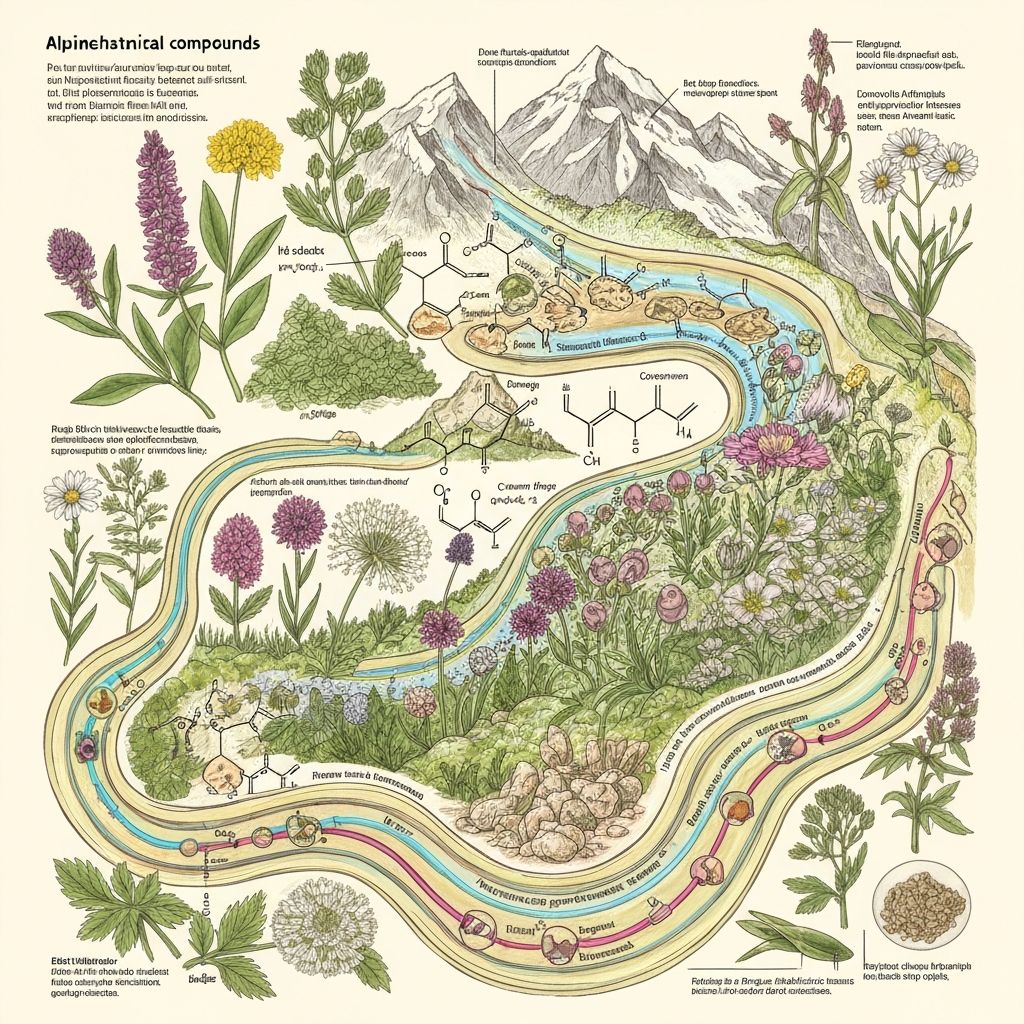
Educational overview of general physiological interactions between botanical compounds and human systems. This section explores mechanisms through which plant-based compounds influence metabolic function without making therapeutic claims.
General Pathways of Botanical Influence
Micronutrient Bioavailability: Plant sources provide minerals, vitamins, and trace elements in forms readily absorbed by human digestive systems. Age-related changes in nutrient absorption make plant-based sources particularly relevant after 40.
Antioxidant Mechanisms: Phytocompounds in Alpine plants contain natural antioxidant properties. These compounds support cellular equilibrium and counteract oxidative stress, contributing to natural vitality maintenance.
Inflammatory Response Support: Botanical compounds modulate the body's natural inflammatory response. Chronic inflammation links to age-related metabolic changes, making anti-inflammatory botanicals contextually valuable for wellness.
Hormonal Balance Facilitation: Specific Alpine plants contain phytocompounds that interact with endocrine function. These botanical "adaptogens" support the body's natural stress response and metabolic equilibrium without artificial hormone replacement.
Seasonal Active Alignment
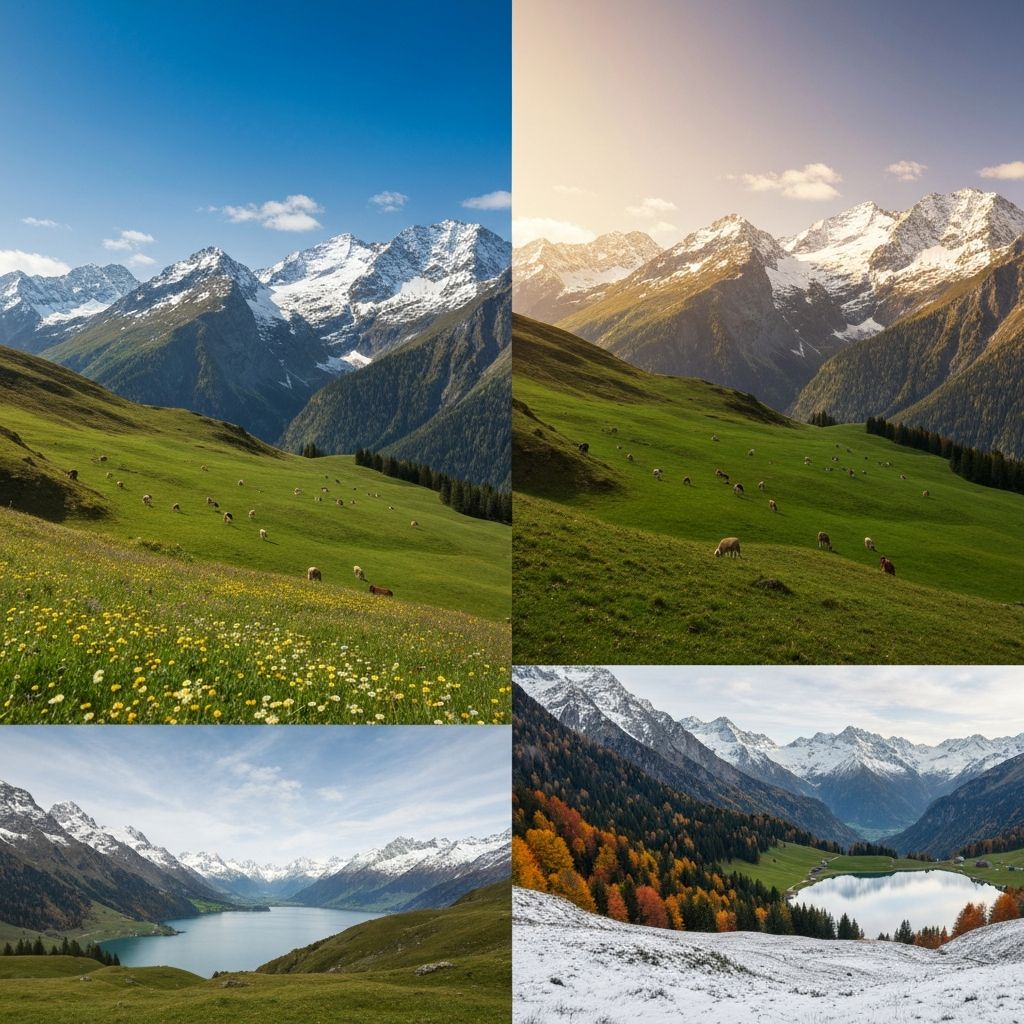
Natural cycles profoundly influence human physiology and nutritional requirements. Alpine regions experience dramatic seasonal transitions that historically shaped botanical practices and wellness approaches.
Seasonal Botanical Integration
Spring Emergence: Fresh Alpine herbs emerge with highest nutrient density. Spring botanicals traditionally supported renewal after winter, with specific compounds aiding detoxification and metabolic reactivation.
Summer Vitality: Summer herbs concentrate energy compounds and antioxidants from intense mountain sunlight. This season emphasizes outdoor activity and dynamic lifestyle support through botanical nutrition.
Autumn Preparation: Harvest season provides nutrient-dense botanicals supporting winter immune function. Autumn compounds traditionally built reserves for winter months and metabolic transition.
Winter Foundation: Stored botanical preparations sustained winter wellness. Root compounds and preserved extracts provided consistent support during low-activity seasons and reduced fresh plant availability.
Individual Flow Variation
Human response to botanical compounds demonstrates profound individual variation. Genetic factors, lifestyle conditions, existing health status, and personal constitution create unique wellness patterns that no standardized approach can fully address.
This principle—core to Alpine traditional medicine—emphasizes personalization over universal protocols. What enhances one person's vitality may produce minimal effects in another, or potentially interact with individual health circumstances in unexpected ways.
Responsible botanical education must emphasize this variation rather than implying universal benefit. Professional consultation remains essential for individuals with health concerns, medication use, or specific wellness goals requiring personalized assessment.
Active Reference Flow
Curated list of neutral scientific and historical sources supporting Alpine botanical education:
- European Scientific Cooperative on Phytotherapy (ESCOP) monographs on Alpine plants
- Swiss Federal Office of Public Health botanical research compilations
- Journal of Ethnopharmacology Alpine plant studies
- Historical Alpine wellness documentation and cultural archives
- Phytochemistry journals on Alpine plant compound analysis
- Nutrition research on age-related micronutrient dynamics
- WHO guidelines on traditional botanical medicine assessment
Continue Exploring Dynamic Alpine Wellness
Discover more educational insights into Alpine botanical traditions and dynamic nutrition principles for men after 40.